 Pure
Pure How to Eat with the Seasons: A Practical Nutrition Guide
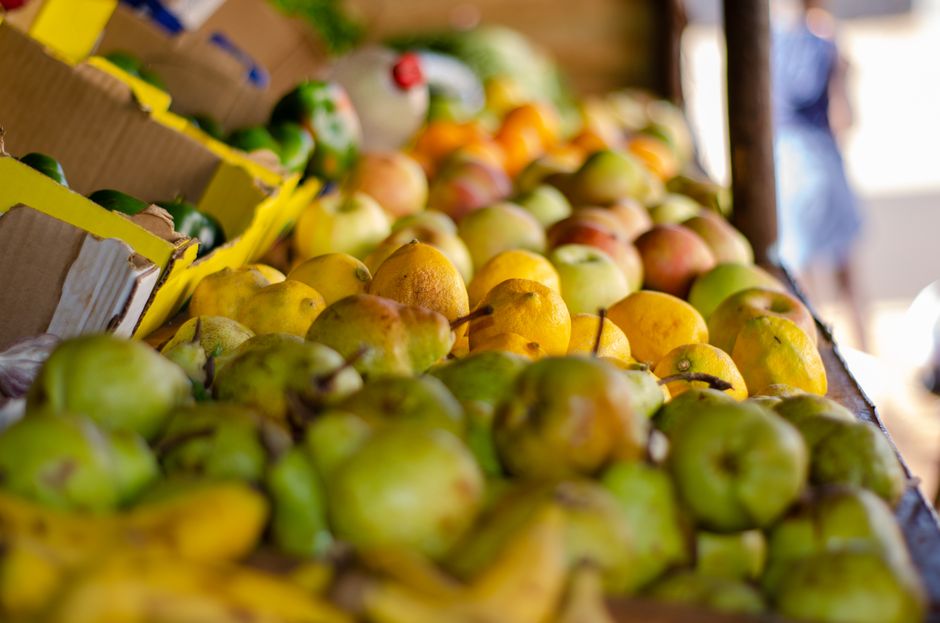
Why Your Appetite Changes with the Seasons
It is common to notice distinct shifts in what you want to eat as the calendar turns. In July, a crisp salad with sliced cucumbers and fresh berries feels entirely satisfying. By January, that same salad might sound completely unappealing, while a warm bowl of beef stew or roasted squash sounds ideal. These changes are not random, nor do they represent a lack of willpower. They reflect basic biology working in harmony with environmental signals.
Changes in daylight hours, outdoor temperatures, and daily activity levels directly influence human physiology. Cold weather causes the body to expend additional energy simply to maintain its core temperature. Reduced sunlight can also alter neurotransmitters involved in mood and appetite regulation, naturally nudging us toward carbohydrate-rich foods that provide quick energy and comfort. Conversely, summer heat suppresses appetite, encouraging us to seek fluid-dense foods that prevent overheating and dehydration. Understanding these internal shifts is the first step toward building a flexible, supportive approach to seasonal nutrition.
Spring: Refreshing Your Plate with Fresh Greens
Spring represents a shift toward renewal after months of heavy winter meals. As daylight increases and temperatures rise, produce markets begin offering crisp greens, shoots, and young roots. These early crops are naturally rich in essential vitamins and minerals that can help refresh a sluggish digestive system.
Key Spring Foods to Emphasize
- Bitter and Leafy Greens: Arugula, dandelion greens, spinach, and watercress provide folate, fiber, and phytonutrients that support healthy digestion.
- Crisp Vegetables: Asparagus, radishes, peas, and spring onions bring vibrant flavor and hydration.
- Light Proteins: Eggs, poultry, and white fish fit well alongside fresh spring produce.
Transitioning into spring nutrition does not require extreme cleanses or rigid juice fasts. Instead, simply introduce lighter preparation methods. Swap long-simmered stews for quick sautés, steam your vegetables gently, and incorporate raw herbs like parsley, dill, and mint into daily meals to help encourage healthy digestion.
Summer: Focus on Hydration and Raw Bounty
Peak summer brings high temperatures and longer days, which can lead to increased fluid loss through sweat. During this season, dietary goals focus heavily on maintaining proper hydration and mineral balance while keeping digestion light and efficient.
Summer offers an abundance of sun-ripened produce that contains high amounts of water, electrolytes, and protective antioxidants. Watermelon, tomatoes, bell peppers, zucchini, berries, and stone fruits are at their physical peak during these months. Because these foods are naturally high in water content, eating them regularly helps support daily hydration alongside your normal water intake.
Practical Summer Eating Tips
- Build Hydrating Meals: Make large salads filled with leafy greens, sliced tomatoes, cucumbers, and grilled protein for a complete, light dinner.
- Embrace Cold Soups: Blended gazpacho or cold cucumber soups provide essential electrolytes like potassium without heating up the kitchen.
- Keep Cooking Simple: Use outdoor grilling or quick stovetop searing to keep food simple and avoid heat heavy cooking inside the home.
Autumn: Warming Root Crops and Transitional Spices
Autumn serves as a transitional bridge between summer's heat and winter's chill. As the days shorten and weather cools, body heat demands begin to shift again. This is often the time when summer eating habits stop feeling entirely satisfying, but full winter routines feel premature.
Autumn produce delivers dense carbohydrates and prebiotics that support energy levels and gut health. Winter squashes, sweet potatoes, apples, pears, carrots, and Brussels sprouts dominate the harvest. These foods are packed with soluble fiber, which helps slow down digestion and provides steady, long-lasting energy.
Incorporating Warming Flavors
Adding traditional warming spices to autumn dishes can aid digestion and enhance comfort. Consider adding these to your pantry: This aligns with information from MedlinePlus, from the U.S. National Institutes of Health.
- Cinnamon and Nutmeg: Excellent stirred into warm oatmeal, roasted squash, or stewed apples.
- Ginger and Turmeric: Great additions to soups, marinades, and hot teas for their antioxidant properties.
- Garlic and Shallots: Provide rich background flavor and support immune function as seasonal colds begin circulating.
Winter: Hearty Nourishment and Immune Support
In the depth of winter, cold weather and limited daylight mean our bodies naturally crave cooked, calorie-dense foods. Rather than resisting these cravings, the goal of winter nutrition is to fulfill them with wholesome, nutrient-rich choices that keep you warm and well-nourished.
Cooking methods shift from raw or light preparations to slow roasting, braising, and simmering. Slow cooking breaks down tough plant fibers and dense meats, making nutrients easy to absorb while placing minimal strain on digestion. Citrus fruits like oranges, grapefruits, and lemons also peak in winter, offering a timely dose of vitamin C and bright flavor when local fresh vegetables are limited.
Winter Nutrition Basics
- Soups and Stews: Bone broths and vegetable-heavy stews deliver accessible nutrients and steady hydration.
- Roasted Root Vegetables: Carrots, beets, turnips, and parsnips become sweet and deeply satisfying when roasted in the oven.
- Pantry Staples: Beans, lentils, whole grains like barley and oats, and frozen organic berries keep meals balanced when fresh options are scarce.
How Seasonal Eating Benefits Your Gut and Budget
Beyond matching your body's physical preferences, adjusting your diet across the year offers distinct advantages for your gut microbiome and your household budget.
Research shows that gut health thrives on dietary diversity. Eating different fruits, vegetables, and grains as they move in and out of season exposes your digestive tract to a wide variety of plant fibers. This rotating variety helps feed different beneficial bacteria strains, promoting a resilient, adaptable microbiome over time.
From a financial standpoint, purchasing produce in season is significantly cheaper. When crops are harvested locally at their peak, supply is high, which lowers retail costs. In-season produce is also allowed to ripen naturally before harvesting, resulting in superior flavor and often higher nutrient levels compared to crops picked early and shipped across long distances.
Simple Steps to Start Eating Seasonally
Adopting seasonal nutrition does not require an all-or-nothing approach or a complete overhaul of your kitchen. You do not need to strictly limit your diet to items grown within fifty miles of your home to enjoy the benefits of seasonal eating.
Practical Ways to Get Started
- Visit Local Farmers Markets: Walking through a local market gives you an immediate picture of what is naturally growing in your region right now.
- Check Seasonal Grocery Signs: Most supermarkets highlight seasonal items with special signage or lower promotional pricing.
- Use Frozen Produce in Off-Seasons: Produce frozen at peak harvest retains its nutrient quality and provides an affordable option when fresh local items are unavailable.
- Listen to Your Body's Cues: Pay attention to how different temperatures and meal styles make you feel, adjusting your cooking methods to match your energy needs.
Remember that health is built through flexible, sustainable habits over time. By adjusting your plate to match the rhythms of the year, you support your body's natural needs without stress or rigid rules. As always, if you have specific dietary requirements or health concerns, consult a registered dietitian or healthcare provider to tailor these general principles to your individual needs.
Frequently asked questions
Why do I crave heavier foods in winter?
Winter cravings for heavier, carbohydrate-rich foods are a natural physiological response to colder temperatures and shorter days. Your body requires additional energy to maintain its temperature, and reduced sunlight can shift brain chemicals involved in appetite regulation.
Does seasonal eating really improve gut health?
Yes, eating seasonally encourages natural variation in your diet throughout the year. Rotating different fruits, vegetables, and grains exposes your gut to diverse plant fibers, which can help support a more varied and balanced microbiome.
Is seasonal nutrition more expensive than a standard diet?
Generally, seasonal nutrition is more affordable. Produce that is in season locally is abundant, which drives down prices at grocery stores and farm stands compared to out-of-season produce imported from afar.
How can I eat seasonally if I live in a cold climate with short growing seasons?
Focus on root vegetables, squashes, cabbage, and apples that store well during cold months. You can also rely on commercially frozen produce, which is harvested and preserved at peak ripeness, alongside canned legumes and wholesome grains.
Should I adjust my supplement routine with the seasons?
Many people adjust certain supplements based on seasonal factors, such as taking extra vitamin D during dark winter months. However, it is always best to consult a healthcare provider or dietitian to test your levels before starting new supplements.