 Pure
Keeping Recovery, Rest Days And Overdoing It Simple, Day by Day
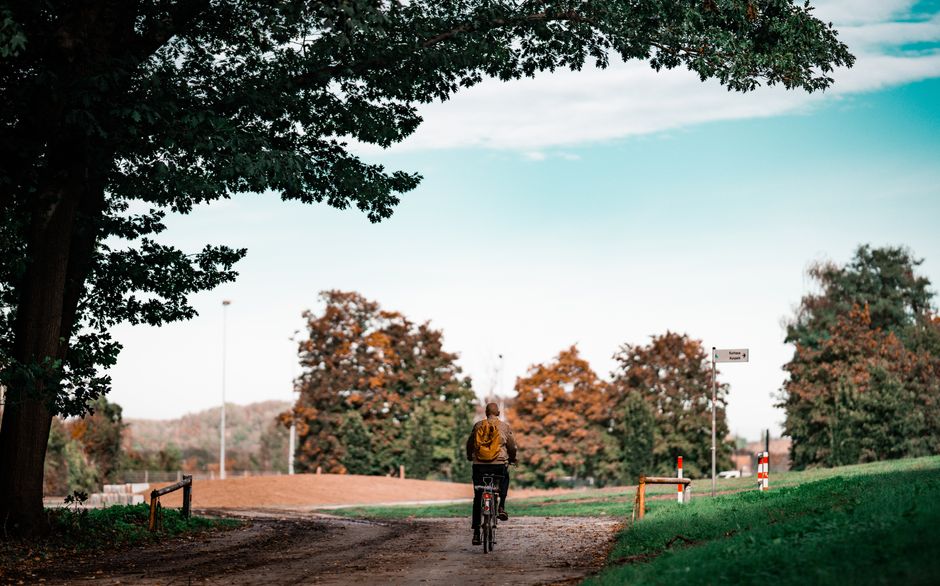
As we get older, recovery, rest days and overdoing it becomes less about performance and more about staying capable. The aim here is to keep things realistic and easy to sustain. Let's look at what actually matters with recovery, rest days and overdoing it, and what you can safely ignore.
Why it matters more now
Worth keeping in mind: the main levers are unremarkable. Sleep is the largest by a distance. Eating enough, particularly protein, comes next. Managing total load — recognising that a stressful week at work is a load the body registers alongside training — comes third and is the one most often ignored.
Small changes like these are easy to underestimate, yet they are exactly what add up over months and years.
What changes with age
It helps to remember that there is also a longer rhythm worth respecting. Most people benefit from an easier week every month or two, taken deliberately rather than forced by injury. The difference between a planned reduction and an unplanned one is usually several weeks of lost progress.
Give yourself room to be imperfect here; a missed day is an event, not a reason to give up.
Adjusting your approach
Training is the stimulus; the adaptation happens afterwards. This is not a technicality — it is the reason a programme without recovery produces less than a programme with it, and the reason enthusiastic beginners often stall or get injured within a couple of months. Trusted resources such as MedlinePlus (National Institutes of Health) cover this in more depth.
Protecting your energy
The signs of doing too much are recognisable once known. Performance drifts downward despite effort. Sleep worsens. Motivation, which was previously reliable, disappears. Resting heart rate sits higher than usual. Modest niggles accumulate and stop resolving. Each is easy to dismiss individually and clearer as a pattern.
The goal is progress you can maintain, not perfection you have to chase and eventually abandon.
Staying strong and steady
Rest does not have to mean doing nothing. Easy movement on non-training days — walking, gentle cycling, mobility work — generally aids recovery rather than hindering it, and it preserves the daily rhythm that makes returning to a harder session easier.
The practical takeaway is to keep recovery, rest days and overdoing it simple enough that it survives a busy week, not just a good one.
Practical tips
Some practical points to keep in mind:
- Give any change a few weeks before judging whether it is helping.
- Anchor a new habit to something you already do each day, like your morning coffee.
- Protect your sleep, since it quietly makes everything else easier.
- Notice what works for you personally, since everyone responds a little differently.
The bottom line
Keep it simple, be patient with yourself, and let small changes add up. None of this needs to be perfect. A few steady habits, kept up over time, tend to do far more than any short-lived effort.
Frequently asked questions
Is this suitable for busy people?
Yes. Most of the ideas here fold into things you already do each day, so they take little extra time.
Is this relevant if I'm just starting out?
Yes. You can begin with one small change and build from there. With recovery, rest days and overdoing it, steady progress beats trying to do everything at once.
How long before I notice a difference?
It varies from person to person. Give any new habit a few weeks of consistency before deciding whether it is working for you.
Do I need special equipment or money?
No. Most of what helps is free or low-cost, and the simplest options are usually the ones people stick with.