 Pure
Pure Designing a Low-Friction Kitchen for Better Daily Nutrition
Why Willpower Fails and Environment Wins in Daily Nutrition
When people decide to improve their eating habits, they usually focus on willpower. They pledge to resist temptation, stick to a strict meal plan, or rely on sheer determination after a long work day. Yet by seven in the evening, after making hundreds of decisions, mental energy is depleted. Relying on sheer determination at that hour is a strategy destined to fail.
A more effective approach shifts the focus from internal resolve to external arrangement. The choices you make are heavily shaped by what is visible, accessible, and convenient in your immediate environment. When whole foods are ready to eat and ultra-processed options take extra effort to reach, healthy eating becomes less about self-control and more about default behavior. Designing a low friction nutrition setup ensures that your diet remains stable even on your hardest days.
The Friction Principle: Making Healthy Food the Easy Choice
Friction is the physical or mental effort required to complete an action. High friction creates resistance, while low friction encourages action. If eating an apple requires washing, peeling, and slicing it, but opening a bag of chips requires only ripping plastic, most tired people will reach for the chips. To change the outcome, you simply invert the friction.
Maximizing Visibility for Nutrient-Dense Foods
Human beings are visual eaters. What sits on the counter or at eye level in the refrigerator gets eaten first. Consider these simple shifts to make good choices effortless:
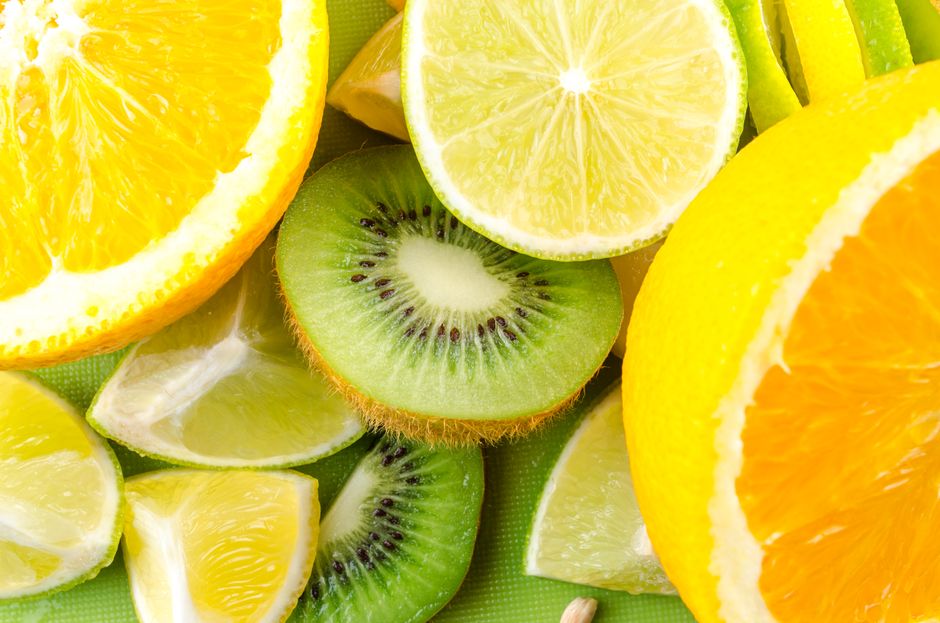
- Keep a fresh produce bowl visible: Place apples, oranges, or pears on the kitchen island or main table rather than hiding them in the bottom crisper drawer.
- Clear refrigerator sightlines: Store washed berries, chopped carrots, and pre-cut cucumber slices in clear glass containers right on the middle shelf.
- Prepare protein sources ahead: Keep hard-boiled eggs, plain Greek yogurt, or cooked chicken breast portions easily accessible at the front of the fridge.
Rethinking the Pantry: Out of Sight, Out of Mind
Removing unwanted food entirely from your home is ideal, but it is not always practical when sharing a household with family or housemates. The solution is creating physical distance and visual friction around snack foods that tend to spark mindless overeating.
Move packaged treats, salty snacks, and sweet goods to high shelves or deep inside opaque pantries. If reaching for a cookie requires pulling out a step stool or moving three heavy jars, you introduce a momentary pause. That brief gap in time allows your conscious mind to ask whether you are truly hungry or simply bored or tired. By adding a small physical barrier, you break the automatic habit loop without needing absolute perfection.
Streamlining Prep Work to Save Weeknight Energy
Dinner prep often breaks down because the distance between entering the kitchen and sitting down to eat feels overwhelming. Complex recipes with dozens of ingredients rarely work for busy weeknights. Streamlining your prep work reduces this barrier significantly.
Batch Cooking Basic Components
Instead of preparing full, complicated recipes for the whole week, focus on prepping versatile base ingredients that can be quickly combined: This aligns with information from MedlinePlus, from the U.S. National Institutes of Health.
- Cook a batch of complex carbohydrates: Keep a large container of quinoa, brown rice, or roasted sweet potatoes ready in the fridge.
- Roast a sheet pan of vegetables: Broccoli, bell peppers, zucchini, and onions can be roasted together and stored for easy reheating.
- Prepare a house dressing: Mix olive oil, lemon juice, Dijon mustard, and simple herbs in a jar to make quick grain bowls taste fresh and satisfying.
When basic components are already cooked, building a wholesome dinner takes under ten minutes—faster than ordering takeout delivery.
Creating Outer Boundaries Around Late-Night Snacking
Late-night eating is rarely driven by genuine biological hunger. More often, it is a response to physical exhaustion, stress, or simple habit after sitting down in front of a screen. Addressing this habit requires setting clear structural boundaries in your home evening routine.
Try creating a gentle kitchen close out ritual. After finishing dinner, wipe down the counters, turn off the main overhead kitchen light, and brush your teeth. This simple sequence sends a signal to your mind that eating for the day is complete. If you experience true hunger late at night, opt for a small, simple snack that pairs protein with complex carbohydrates, such as a small bowl of cottage cheese or a handful of almonds with a slice of apple.
Building a Flexible Food System That Survives Stress
Rigid meal plans often collapse under pressure. A single missed prep session or unexpected deadline can make a strict diet feel impossible, leading many people to abandon their efforts entirely. A low friction approach to nutrition relies on flexibility rather than total precision.
Build a list of three emergency meals that require zero prep time and rely entirely on shelf-stable or quick fridge staples. Examples include canned black beans tossed with salsa and avocado, canned wild salmon served on whole grain toast, or frozen vegetables cooked in a skillet with eggs. Having these quick options available prevents minor schedule disruptions from turning into complete nutritional setbacks.
Small Adjustments That Produce Long-Term Results
Building a sustainable pattern of eating does not require sweeping dietary overhauls or extreme measures. Lasting change happens quietly through small, deliberate adjustments to your daily surroundings. By taking the pressure off willpower and focusing on your kitchen setup, you create a home environment that naturally supports your long-term health goals.
As you adjust your eating environment, remember that individual nutritional needs vary based on age, activity level, and underlying health conditions. It is always wise to consult a qualified healthcare professional or registered dietitian before making significant changes to your regular dietary routine.
Frequently asked questions
How do I start setting up a low-friction kitchen if I have very little time?
Start with just one small change, such as putting a bowl of fresh fruit on your counter or moving chopped raw vegetables to the front shelf of your refrigerator. Small environmental tweaks take only minutes to set up but yield daily benefits.
What if my family members keep junk food in the house?
You do not need to eliminate all snack foods from your home. Instead, ask to dedicate specific opaque bins or higher cabinets for those items so they are not directly in your line of sight every time you open the pantry.
Is batch prepping ingredients better than full meal prep?
For many people, batch prepping individual components like roasted vegetables, grains, and proteins offers greater daily flexibility than rigid whole meals. It allows you to mix and match flavors throughout the week so you do not grow bored.
How can I stop mindlessly snacking while working from home?
Keep work spaces separate from the kitchen when possible. Avoid eating directly out of large bags or boxes; instead, portion snacks into a small bowl and sit down at a dining table away from your computer screens.