 Pure
Pure Simplicity As A Health Strategy as a Daily Habit
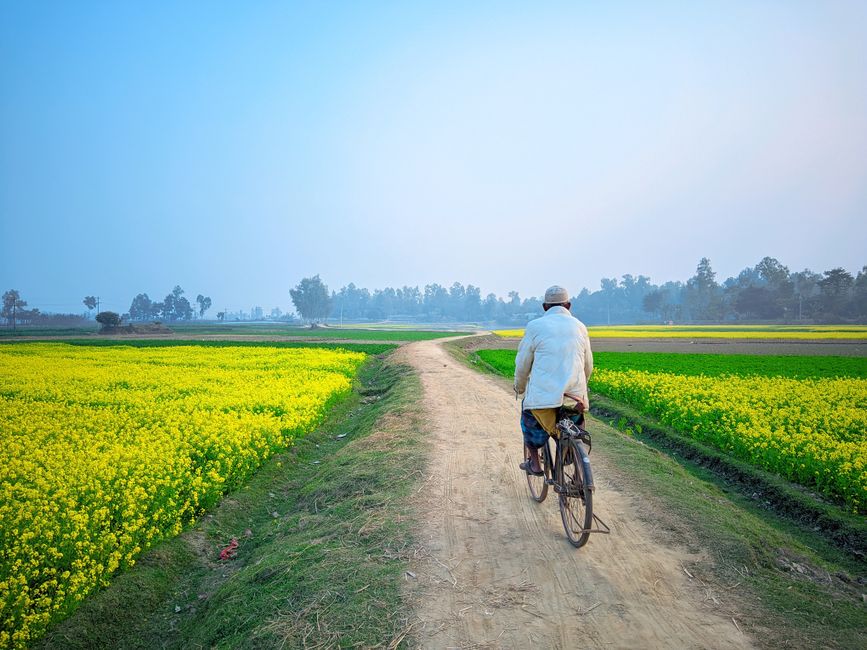
Turning simplicity as a health strategy into a simple daily habit removes most of the effort. The aim here is to keep things realistic and easy to sustain. Here is a grounded, practical look at simplicity as a health strategy that fits into a real, busy life.
Why routines beat willpower
The key point is that simplicity also reduces the surface area for anxiety. A person tracking eleven variables has eleven opportunities each day to feel they have failed. A person doing three things well has three, and the three are the ones that matter.
None of this has to happen all at once; even one small adjustment in this area tends to pay off over time.
Anchoring a new habit
There is a case for occasional complexity — training for a specific event, managing a diagnosed condition, working through a problem with professional guidance. These are bounded and purposeful. The unbounded, permanent complexity of the wellness industry serves a different function, which is to sustain interest and generate purchases.
A simple morning version
The test is worth applying periodically: if this practice disappeared tomorrow, what would actually change? For the fundamentals, the answer is substantial. For most of the rest, the honest answer is very little, and the time released could be spent walking, cooking, or seeing someone. You can read the full details on sugar defender reviews.
A simple evening version
Put simply, health, in the end, is not complicated. It is difficult, which is a different thing, and complexity is usually the way people avoid confronting the difficulty of what is simple. MedlinePlus (National Institutes of Health) provides reliable, up-to-date information on this topic.
Handling the days it slips
The key point is that complexity is the enemy of adherence. Every additional rule, supplement, tracking device, and conditional exception increases the cost of the system and the number of ways it can break. Elaborate regimes are generally designed during periods of high motivation and executed during periods of ordinary life, and they do not survive the transition. You can read the full details on java burn.
The practical takeaway is to keep simplicity as a health strategy simple enough that it survives a busy week, not just a good one.
Letting it become automatic
On a day-to-day level, simplification operates at several levels. In food: a small number of default meals, requiring few decisions and few ingredients, with variety introduced by choice rather than obligation. In movement: two or three activities that are known, accessible, and enjoyed, rather than a rotating programme requiring planning. In sleep: a fixed wake time and a protected hour beforehand. In everything: fewer commitments, so that recovery has somewhere to happen.
It helps to focus on what you can realistically do most days, rather than an ideal you can only manage occasionally.
Practical tips
Some practical points to keep in mind:
- Protect your sleep, since it quietly makes everything else easier.
- Start small and stay consistent rather than aiming for a dramatic change.
- Give any change a few weeks before judging whether it is helping.
- Aim for good enough on busy days instead of skipping entirely.
The bottom line
The best approach is the one you can keep going with. Keep it simple, be patient with yourself, and let small changes add up. That is usually all it takes.
Frequently asked questions
What is the single most important thing to focus on?
Consistency. A modest routine you actually keep beats an ambitious plan you abandon after a week.
How long before I notice a difference?
It varies from person to person. Give any new habit a few weeks of consistency before deciding whether it is working for you.
Is this relevant if I'm just starting out?
Yes. You can begin with one small change and build from there. With simplicity as a health strategy, steady progress beats trying to do everything at once.
Do I need special equipment or money?
No. Most of what helps is free or low-cost, and the simplest options are usually the ones people stick with.